
When you are appointing a high-security civils contractor, price is only one part of the decision. What matters more is whether the contractor can plan properly, work safely, deal with site constraints and deliver the job without creating problems for the rest of the programme.
High-security projects often come with tight tolerances, strict site rules, live environments and no room for error. Whether the work involves crash-rated fencing, HVM, reinforced concrete bases, ducting, draw pits or full perimeter infrastructure, you need a contractor who understands more than just the build.
You need one who understands the risk. Here is what you should look out for when choosing a High-Security Civils Contractor:
Experience in High-Security Environments
Not every civils contractor is right for high-security work. A contractor may have general groundworks experience, but that does not always mean they are suited to work on sensitive or security-led sites. High-security environments demand a different level of control, planning and awareness.
You should be looking for a team that has worked on projects where access is restricted, sequencing is critical and every part of the job needs to be delivered with care. That includes understanding how civils packages tie into fencing, gates, barriers, electrical systems and other follow-on trades.
The more familiar a contractor is with these environments, the more likely they are to spot risks early and keep the project moving.

Strong Planning Before Work Starts
Early planning sets the tone for the whole project. It shows whether a contractor understands the environment, the level of coordination required and the standards the job demands. On high-security projects, that matters from the outset.
These schemes often involve tighter controls, more stakeholders and less room for error than standard civils work. Without a clear approach from the beginning, issues can build quickly and affect programme, quality and confidence across the wider project.
A strong contractor will show that they have thought beyond the immediate scope and considered how the works need to be delivered within the wider demands of the site. That level of preparation gives clients confidence that the contractor is not just ready to carry out the work, they are ready to manage it properly.
“The professionalism, expertise, and commitment demonstrated by Force’s work has been exemplary. From planning to execution, Force have consistently delivered high-quality results, often exceeding expectations. Force’s meticulous attention to detail and adherence to safety standards were particularly impressive. The success of these projects is a testament to your team’s ability to tackle complex tasks with precision and care.” – Project Manager – Nuclear Sector
A Clear Focus on Safety
A capable high-security civils contractor should treat safety as a core part of delivery, not a separate exercise running alongside it.
On this type of work, safety is closely tied to control. It shapes how a site is managed, how decisions are made and how work is carried out under pressure. In more sensitive or restricted environments, that becomes even more important.
A strong contractor will show that safety is built into their way of working from the start. Not just in documentation, but in supervision, communication, planning and day-to-day site standards.
Quality That Matches the Specification
In high-security work, expectations are usually higher and tolerances are often tighter. There is less room for inconsistency, and the impact of poor quality can reach far beyond one element of the package. What may seem like a small issue at one stage can create larger problems later.
A strong contractor will recognise that quality needs to be consistent, controlled and aligned with the demands of the project from the outset. That means taking the specification seriously, understanding what sits behind it and delivering work that supports what comes next.
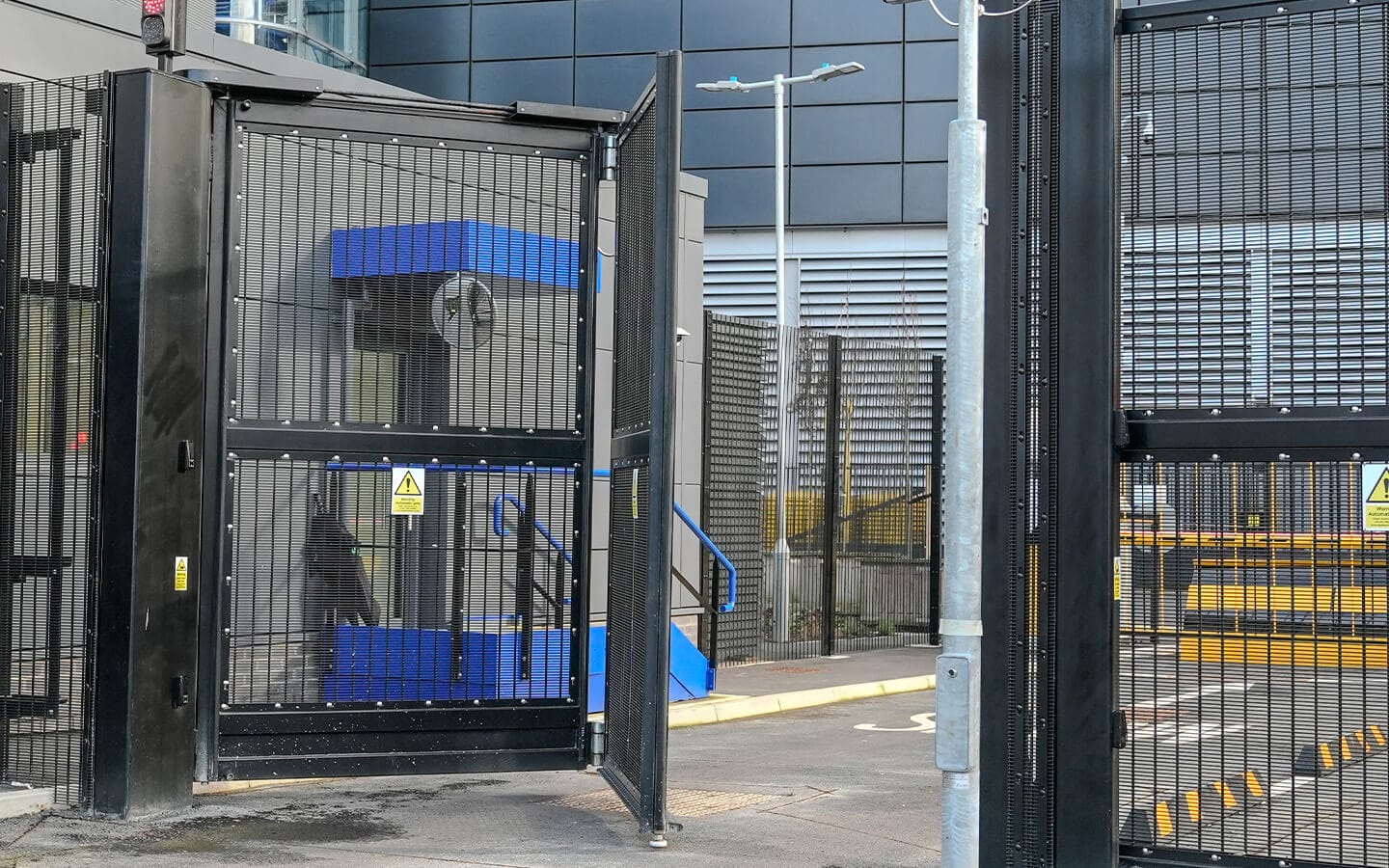
A Contractor Who Understands the Full Package
On complex projects, individual elements do not sit in isolation. They form part of a wider package that needs to come together in the right way, at the right time and to the right standard. That calls for a contractor who can see the bigger picture, not just their immediate responsibilities.
This matters even more in high-security environments, where different disciplines often need to align closely and where poor coordination in one area can affect progress elsewhere.
A strong contractor will understand how their role fits within the wider delivery model and plan with that in mind. That broader view supports smoother coordination, fewer surprises and a more reliable outcome for the client.
Speak to the Right Contractor
Choosing the right high-security civils contractor is about more than getting the works done. It is about bringing the right level of control, coordination and understanding to a project where standards are high and mistakes can carry real consequences.
If you want to speak to a contractor that understands what high-security projects demand, and how to deliver them properly, come and see Brett and James at The Security Event at NEC Birmingham from April 28 to 30. You’ll find us on Stand 5/C134.